
Kenya's forests are more than beautiful landscapes—they are the foundation of the country's hiking trails, wildlife habitats, clean water sources, and breathtaking viewpoints. Every responsible hiker has a role to play in protecting these natural treasures for future generations.
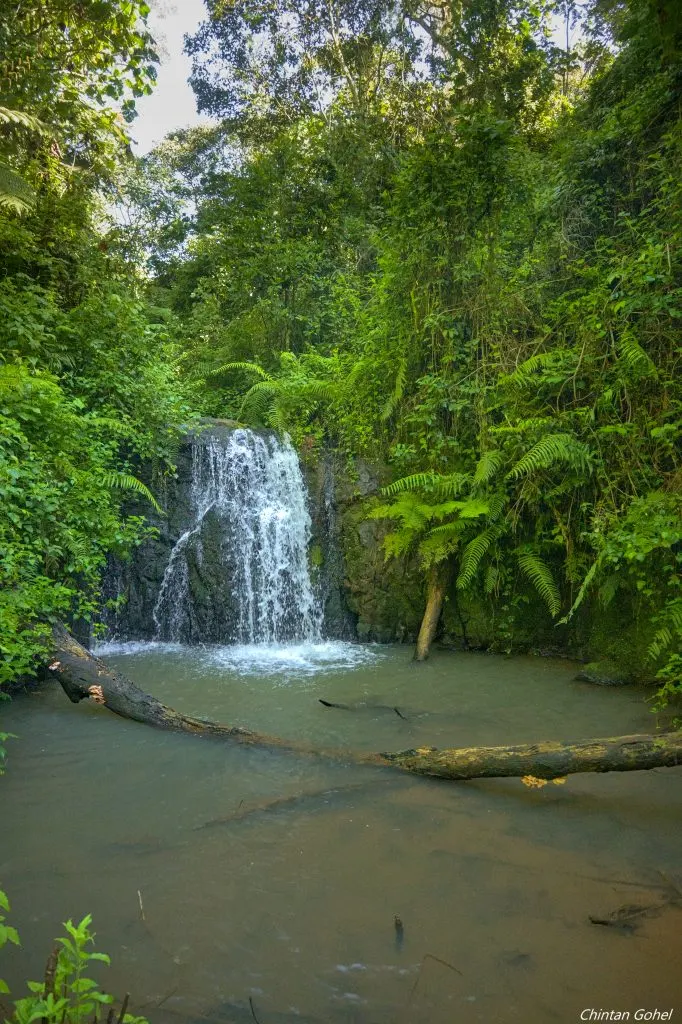
"We do not inherit the Earth from our ancestors; we borrow it from our children."
Kenya’s forests are more than just beautiful hiking destinations—they are living ecosystems that support wildlife, regulate climate, protect water sources, and provide clean air. As hikers, we rely on these forests for adventure, inspiration, and connection to nature. But without proper conservation, many of these landscapes are at risk.
Why Forest Conservation Is Essential
1. Forests Protect Kenya’s Water Towers
Kenya’s major mountains—Mount Kenya, Aberdares, Mau, and Cherang’any—are vital water towers. They supply water to millions of people and power hydroelectric dams. Forest loss leads to drought, reduced river flow, and unpredictable water cycles.
2. Forests Support Wildlife Biodiversity
Forests are home to endangered species, birds, insects, and plants. When forests shrink, wildlife loses food sources, migration spaces, and breeding grounds. Hikers benefit from healthier habitats full of natural beauty and wildlife encounters.
3. Forests Regulate Climate and Reduce Carbon
Trees absorb carbon dioxide and help slow climate change. Deforestation contributes to rising temperatures, more extreme weather, and increased wildfire risk—directly affecting hiking conditions.
4. Healthy Forests Protect Hiking Trails
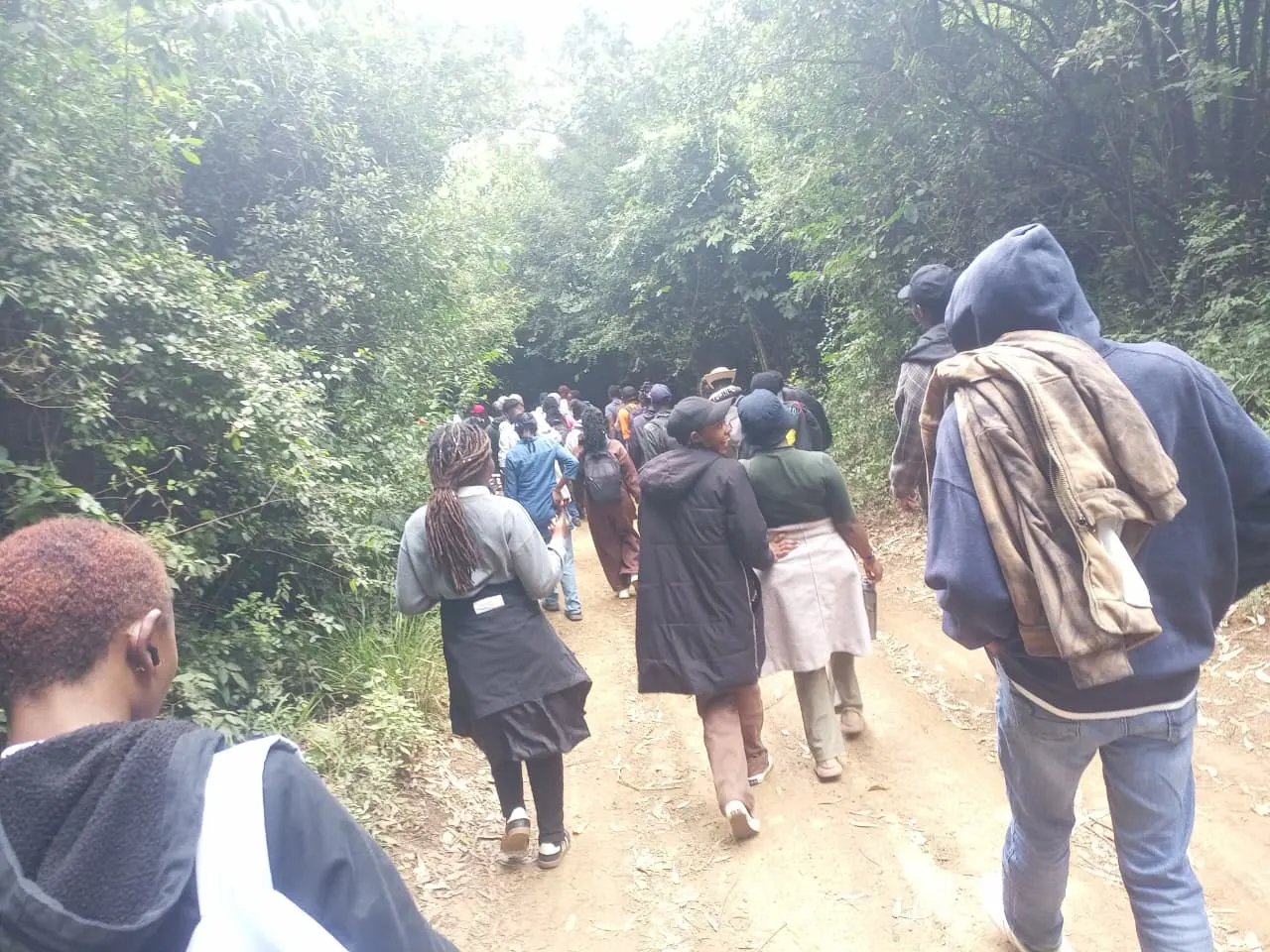
Soil erosion from deforestation damages popular trails, causes landslides, and makes hiking more dangerous.
How Hikers Can Help Protect Forests
1. Follow Leave No Trace Principles
- Carry your trash back down
- Stay on marked trails
- Avoid disturbing wildlife
2. Support Community-Led Conservation
Local rangers and community groups work hard to maintain trails and protect forests from illegal logging and charcoal burning. Joining their efforts or donating helps create long-term impact.
3. Participate in Tree-Planting Events
Planting trees is one of the simplest and most direct contributions hikers can make to restore degraded forest areas.
4. Choose Responsible Hiking Operators
Always hike with groups or guides who follow ethical practices, protect trails, and respect the environment.
Why Conservation Should Matter to You as a Hiker
Every time forests shrink, your favorite trails, viewpoints, and forests become less accessible, less beautiful, and less safe. Conservation ensures that future generations can enjoy Kenya’s mountains the same way we do today.
Forests Are the Foundation of Kenya's Hiking Trails
Many of Kenya's most popular hiking routes pass through indigenous forests or depend on nearby forests to maintain healthy ecosystems. Trees stabilize soil, regulate temperatures, improve air quality, and create the beautiful environments that hikers enjoy every weekend.
Without healthy forests, hiking trails deteriorate rapidly. Heavy rainfall washes away exposed soil, trails become unsafe, and many scenic viewpoints gradually lose their natural beauty. Conserving forests helps maintain safe and sustainable hiking routes throughout the year.
Whether you're exploring Kijabe Hills, Ngong Hills, Mount Longonot, Karura Forest, or the Aberdares, healthy forests silently protect every step of your journey.
Forests Prevent Soil Erosion
Soil erosion is one of the greatest threats facing hiking trails. Tree roots naturally hold the ground together while fallen leaves slow rainfall before it reaches the soil.
When forests are cleared through illegal logging, charcoal burning, or land degradation, trails quickly become:
- Muddy and slippery after rainfall
- Deeply eroded by water runoff
- Unsafe on steep slopes
- More expensive to maintain
Conserving forests protects both hikers and the trails they use.
Forests Create Cooler Hiking Conditions
Indigenous forests naturally create cooler temperatures through dense tree canopies that provide shade and retain moisture.
Healthy forests offer hikers:
- Natural shade
- Cooler temperatures
- Cleaner air
- Reduced heat exhaustion
- More comfortable long-distance hiking
Open landscapes without tree cover often become significantly hotter, increasing the risk of dehydration and fatigue.
Healthy Forests Support Wildlife
Kenya's forests are home to incredible biodiversity that makes every hike memorable.
Hikers may encounter:
- Colobus monkeys
- Sykes monkeys
- Bushbucks
- Hundreds of bird species
- Butterflies
- Native plants and wildflowers
Forest destruction reduces wildlife populations and diminishes the natural experiences that attract visitors to Kenya's hiking destinations.
Forests Protect Rivers and Waterfalls
Many hiking destinations feature rivers, waterfalls, and natural springs that depend on healthy forest ecosystems.
Forests help by:
- Absorbing rainfall
- Filtering water naturally
- Recharging underground aquifers
- Reducing sediment in rivers
- Maintaining stream flow during dry seasons
Without forests, rivers dry up more quickly, waterfalls shrink, and water quality deteriorates.
Forests Help Combat Climate Change
Forests absorb carbon dioxide and help regulate local weather patterns. Conserving indigenous forests contributes to healthier ecosystems while reducing the impacts of climate change.
Healthy forests help:
- Reduce greenhouse gases
- Improve rainfall patterns
- Protect water catchments
- Moderate temperatures
- Increase ecosystem resilience
These benefits ensure hiking destinations remain enjoyable throughout the year.
Forest Conservation Benefits Local Communities
Communities living near hiking destinations often depend on forests for sustainable tourism and environmental livelihoods.
Conservation supports:
- Professional hiking guides
- Eco-tourism businesses
- Community forest associations
- Tree nurseries
- Environmental education programs
Choosing responsible hiking operators helps create income while protecting Kenya's natural heritage.
How Hikers Can Protect Kenya's Forests
Stay on Designated Trails
Walking off marked paths damages vegetation and accelerates soil erosion.
Carry Out All Waste
Leave every trail cleaner than you found it by taking all litter home.
Avoid Lighting Fires
Forest fires destroy wildlife habitats and can permanently damage hiking destinations.
Respect Wildlife
Observe animals from a safe distance without feeding or disturbing them.
Support Conservation Activities
Participate in tree planting, trail clean-ups, and community conservation initiatives whenever possible.
Why Kijabe's Forests Matter
The forests surrounding Kijabe are among the region's most valuable natural resources. They stabilize the steep escarpments overlooking the Great Rift Valley, provide habitats for birds and native wildlife, and create the cool, scenic environments that make hiking enjoyable.
Protecting these forests ensures future generations can continue exploring Kijabe's breathtaking landscapes while supporting local conservation efforts and sustainable tourism.
Be Part of the Solution
Every hike is an opportunity to appreciate nature—and every hiker has a responsibility to protect it.
By respecting hiking trails, reducing waste, supporting conservation initiatives, and promoting sustainable tourism, we can help preserve Kenya's forests and hiking destinations for generations to come.
At Kijabe Adventures, we believe that unforgettable hiking experiences go hand in hand with environmental stewardship. Together, we can ensure Kenya's forests remain healthy, vibrant, and welcoming for every adventurer.
🌿 Hike Responsibly with Kijabe Adventures
Join our guided hikes and become part of a growing community committed to protecting Kenya's forests, wildlife, and hiking trails. Every responsible hike contributes to sustainable tourism and environmental conservation.
Soil erosion is one of the greatest threats facing hiking trails. Tree roots naturally hold the ground together while fallen leaves slow rainfall before it reaches the soil.
When forests are cleared through illegal logging, charcoal burning, or land degradation, trails quickly become:
- Muddy and slippery after rainfall
- Deeply eroded by water runoff
- Unsafe on steep slopes
- More expensive to maintain
Conserving forests protects both hikers and the trails they use.
Forests Create Cooler Hiking Conditions
Indigenous forests naturally create cooler temperatures through dense tree canopies that provide shade and retain moisture.
Healthy forests offer hikers:
- Natural shade
- Cooler temperatures
- Cleaner air
- Reduced heat exhaustion
- More comfortable long-distance hiking
Open landscapes without tree cover often become significantly hotter, increasing the risk of dehydration and fatigue.
Healthy Forests Support Wildlife
Kenya's forests are home to incredible biodiversity that makes every hike memorable.
Hikers may encounter:
- Colobus monkeys
- Sykes monkeys
- Bushbucks
- Hundreds of bird species
- Butterflies
- Native plants and wildflowers
Forest destruction reduces wildlife populations and diminishes the natural experiences that attract visitors to Kenya's hiking destinations.
Forests Protect Rivers and Waterfalls
Many hiking destinations feature rivers, waterfalls, and natural springs that depend on healthy forest ecosystems.
Forests help by:
- Absorbing rainfall
- Filtering water naturally
- Recharging underground aquifers
- Reducing sediment in rivers
- Maintaining stream flow during dry seasons
Without forests, rivers dry up more quickly, waterfalls shrink, and water quality deteriorates.
Forests Help Combat Climate Change
Forests absorb carbon dioxide and help regulate local weather patterns. Conserving indigenous forests contributes to healthier ecosystems while reducing the impacts of climate change.
Healthy forests help:
- Reduce greenhouse gases
- Improve rainfall patterns
- Protect water catchments
- Moderate temperatures
- Increase ecosystem resilience
These benefits ensure hiking destinations remain enjoyable throughout the year.
Forest Conservation Benefits Local Communities
Communities living near hiking destinations often depend on forests for sustainable tourism and environmental livelihoods.
Conservation supports:
- Professional hiking guides
- Eco-tourism businesses
- Community forest associations
- Tree nurseries
- Environmental education programs
Choosing responsible hiking operators helps create income while protecting Kenya's natural heritage.
How Hikers Can Protect Kenya's Forests
Stay on Designated Trails
Walking off marked paths damages vegetation and accelerates soil erosion.
Carry Out All Waste
Leave every trail cleaner than you found it by taking all litter home.
Avoid Lighting Fires
Forest fires destroy wildlife habitats and can permanently damage hiking destinations.
Respect Wildlife
Observe animals from a safe distance without feeding or disturbing them.
Support Conservation Activities
Participate in tree planting, trail clean-ups, and community conservation initiatives whenever possible.
Why Kijabe's Forests Matter
The forests surrounding Kijabe are among the region's most valuable natural resources. They stabilize the steep escarpments overlooking the Great Rift Valley, provide habitats for birds and native wildlife, and create the cool, scenic environments that make hiking enjoyable.
Protecting these forests ensures future generations can continue exploring Kijabe's breathtaking landscapes while supporting local conservation efforts and sustainable tourism.
Be Part of the Solution
Every hike is an opportunity to appreciate nature—and every hiker has a responsibility to protect it.
By respecting hiking trails, reducing waste, supporting conservation initiatives, and promoting sustainable tourism, we can help preserve Kenya's forests and hiking destinations for generations to come.
At Kijabe Adventures, we believe that unforgettable hiking experiences go hand in hand with environmental stewardship. Together, we can ensure Kenya's forests remain healthy, vibrant, and welcoming for every adventurer.
🌿 Hike Responsibly with Kijabe Adventures
Join our guided hikes and become part of a growing community committed to protecting Kenya's forests, wildlife, and hiking trails. Every responsible hike contributes to sustainable tourism and environmental conservation.
Frequently Asked Questions
Why are forests important for hiking?
Forests provide shade, protect trails from erosion, support wildlife, and create healthier hiking environments.
Why are forests important for hiking?
Forests provide shade, protect trails from erosion, support wildlife, and create healthier hiking environments.
How can hikers help conserve forests?
Follow Leave No Trace principles, avoid littering, stay on designated trails, and support responsible hiking organizations.
What are the consequences of deforestation for hikers?
Deforestation can lead to trail erosion, loss of wildlife, reduced water quality, and increased risk of landslides and wildfires.
Which forests in Kenya are popular for hiking?
Karura Forest, Oloolua Nature Trail, Kijabe Forest, Mount Kenya Forest, and Aberdare Forest are among Kenya's most popular hiking destinations.
Conclusion
Forest conservation is not just an environmental duty—it’s an investment in the future of hiking. When we protect forests, we protect our adventure spaces, our wildlife, and our climate. Each hiker has the power to make a difference.
