
Hiking in Kenya
Mount Longonot Hiking Guide 2026: Cost, Distance, Difficulty & Preparation Tips
Introduction
Planning a Mount Longonot hike from Nairobi or Naivasha? This complete guide covers the hiking distance, difficulty, entrance fees, crater rim, preparation, safety and everything you need to know before starting your adventure.
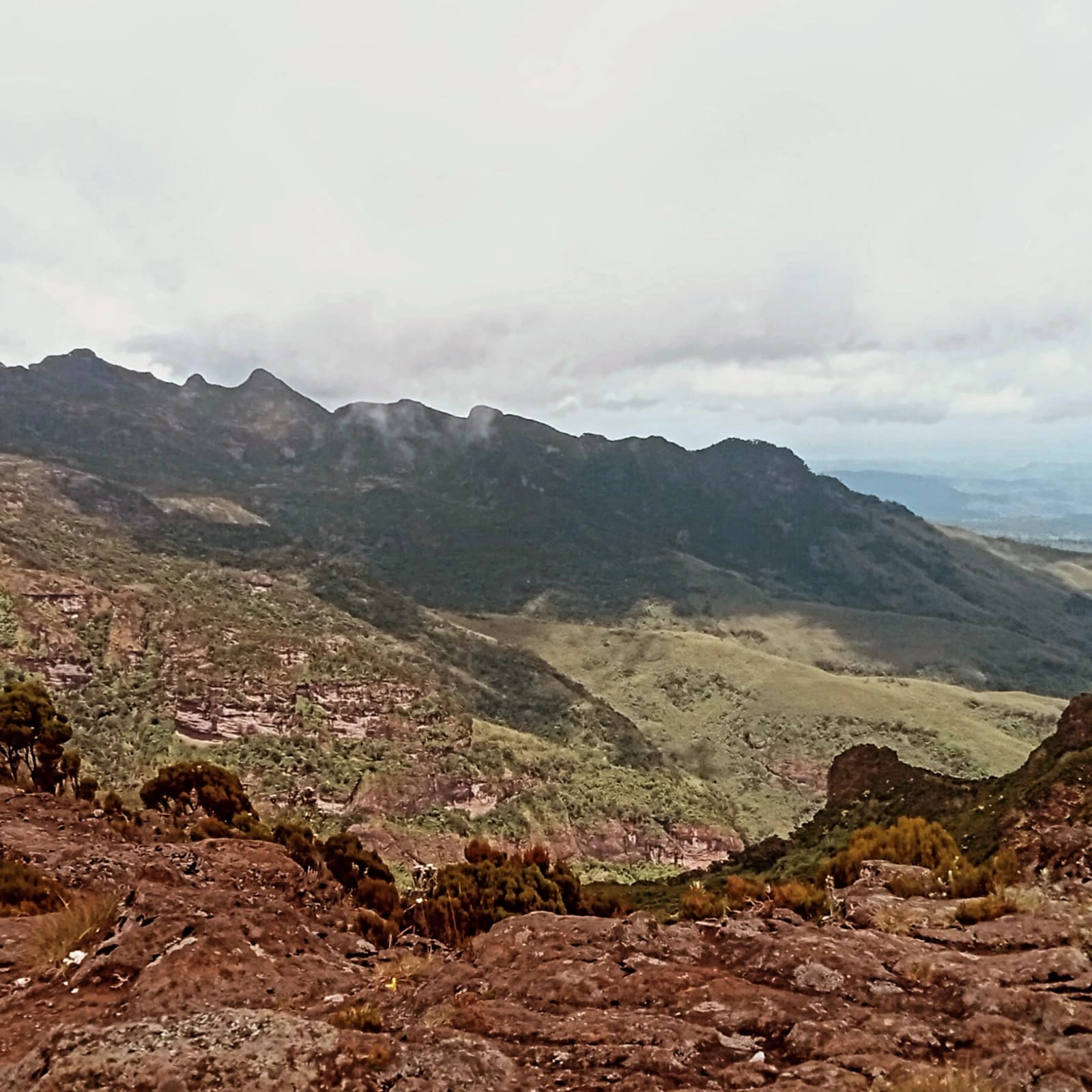
Mount Longonot Hiking Overview
Mount Longonot is a dormant stratovolcano in Kenya's Great Rift Valley and one of the country's best-known destinations for a challenging day hike. The mountain is particularly popular with hikers travelling from Nairobi because it can be visited as a day trip while still providing the feeling of a genuine mountain adventure.
The hike combines a steep ascent, open volcanic slopes, panoramic Rift Valley scenery and an optional circuit around the crater rim. On clear days, hikers can enjoy expansive views across the surrounding landscape towards Lake Naivasha and the Rift Valley.
Although Mount Longonot is accessible to many recreational hikers, it should not be treated as an effortless walk. The combination of steep sections, loose volcanic material, exposure to the sun and the additional distance of the crater rim circuit can make the hike physically demanding.
Mount Longonot Hiking Quick Facts
Where Is Mount Longonot Located?
Mount Longonot is located in Kenya's Great Rift Valley, near Naivasha in Nakuru County. Its location makes it one of the more convenient mountain hiking destinations for people travelling from Nairobi.
The mountain lies within Mount Longonot National Park, which is managed by the Kenya Wildlife Service (KWS).
The Nairobi–Naivasha route makes Mount Longonot suitable for a day adventure, although travel time can vary considerably depending on traffic, weather and your starting point.
If you are combining your hike with other attractions in the Naivasha and Rift Valley region, you can also plan additional activities around Lake Naivasha and nearby destinations.
Why Hike Mount Longonot?
Mount Longonot offers a combination that makes it especially attractive to hikers looking for a relatively short Kenyan mountain adventure. Unlike multi-day expeditions, the mountain can be explored within a single day while still offering steep climbing, dramatic landscapes and a strong sense of achievement.
1. Panoramic Great Rift Valley Views
The higher you climb, the more the surrounding Rift Valley landscape opens up. The elevated viewpoints make the hike particularly rewarding for photographers and hikers who enjoy wide landscapes.
2. The Volcanic Crater
One of Mount Longonot's defining features is its large volcanic crater. Hikers who choose to complete the crater rim circuit experience constantly changing views as the trail follows the ridges around the mountain.
3. A Convenient Day Hike
For visitors based in Nairobi, Mount Longonot provides an opportunity to experience a serious hike without committing to a multi-day mountain expedition.
4. A Good Fitness Challenge
The steep ascent and crater rim sections provide a useful challenge for hikers preparing for longer adventures such as Mount Kenya, Mount Elgon or multi-day trekking routes.
How Difficult Is the Mount Longonot Hike?
Mount Longonot is best described as a moderate to challenging hike. The difficulty does not come only from the overall distance. The steep sections, loose volcanic gravel, sun exposure and repeated climbs and descents around the crater rim can significantly increase the physical effort required.
Beginners who regularly walk or exercise can prepare for the hike, but anyone who is not accustomed to steep terrain should avoid rushing the ascent.
What makes the hike challenging?
- Steep sections during the ascent.
- Loose volcanic soil and gravel.
- Exposure to strong sunlight.
- Repeated ascents and descents around the crater rim.
- Limited shade on exposed sections.
- Fatigue during the descent.
A shorter steep trail can require more effort than a longer, relatively flat walk. Pace yourself from the beginning and take regular hydration breaks.
Mount Longonot Hiking Distance and Time
The exact distance depends on whether you hike to the crater rim and whether you complete the full rim circuit. Different route descriptions can therefore give different total distances.
A practical way to plan the day is to think of the hike as three stages:
- Park entrance to the upper trail: a sustained uphill climb.
- Ascent to the crater rim: the steepest and most physically demanding part for many hikers.
- Crater rim circuit: additional climbing and descending along exposed ridges.
Many hikers allow approximately 4–6 hours for the overall outing, although your actual time will depend on pace, fitness, weather, photography stops, group size and trail conditions.
If you are hiking as a group, plan your schedule around the slower members rather than assuming everyone will maintain the pace of the fastest hiker.
Mount Longonot Crater Rim Circuit
Reaching the crater rim is only part of the Mount Longonot experience. Many hikers choose to continue around the rim for broader views and a more complete mountain experience.
The crater rim is not simply a flat circular path. Expect undulating terrain, exposed ridges, loose sections and repeated climbs and descents.
This is one of the reasons the crater circuit can add considerable effort even after you have already completed the main ascent.
Should you complete the crater loop?
If you have sufficient daylight, water, energy and favourable weather, the crater rim circuit can be one of the highlights of the hike. However, there is no advantage in pushing yourself beyond your ability simply to complete the loop.
Group leaders should monitor participants throughout the hike and make conservative decisions when weather, fatigue or trail conditions deteriorate.
Mount Longonot Entrance Fees
Mount Longonot National Park is managed by the Kenya Wildlife Service (KWS). KWS currently publishes the following park entry rates for Mount Longonot:
| Visitor Category | Adult | Child |
|---|---|---|
| East Africa Citizen | KES 500 | KES 250 |
| Kenya Resident | KES 675 | KES 350 |
| African Citizen | USD 20 | USD 10 |
| Non-Resident | USD 50 | USD 25 |
Important: Park fees can change. Always confirm the latest tariff and payment requirements directly with KWS before your trip.
KWS also provides a digital payment system for park entry. Self-organized visitors can use the official KWS payment channels, while park entry may be incorporated into the package price when travelling with an operator.
Your total Mount Longonot hiking budget may also include transport, food, drinking water, guide services, parking and other personal expenses.
Best Time to Hike Mount Longonot
Mount Longonot can be visited at different times of the year, but weather conditions have a major effect on trail comfort and safety.
Dry periods
Drier conditions generally provide firmer trails and better hiking comfort. Clear mornings can also offer excellent visibility across the Rift Valley.
Rainy periods
Heavy rainfall can make volcanic soil slippery and increase the difficulty of steep sections. Rain can also reduce visibility and make exposed terrain less comfortable.
What time should you start?
An early start is usually preferable. Beginning your hike in the morning gives you more daylight, helps reduce exposure to the strongest midday heat and provides additional time in case your group moves more slowly than expected.
Mount Longonot Weather and Trail Conditions
Weather on an exposed volcanic mountain can feel very different from conditions at your starting point. A cool morning can become hot and sunny later in the day, while clouds or rain can develop unexpectedly.
Before leaving, check the weather forecast and consider the condition of the trail. If heavy rain or unsafe conditions develop, be prepared to change your plans.
Good hiking preparation means understanding that the mountain environment may not match the weather you experienced while travelling from Nairobi.
What to Pack for Mount Longonot
You do not need expedition-level equipment for a standard Mount Longonot day hike, but carrying the right essentials makes a significant difference.
Mount Longonot hiking checklist
- 2–3 litres of drinking water, or enough for your personal needs and conditions.
- Energy-rich snacks such as fruit, nuts, sandwiches or granola bars.
- Comfortable hiking shoes or boots with good grip.
- Hat or cap for sun protection.
- Sunscreen and sunglasses.
- Lightweight rain jacket or warm layer depending on the forecast.
- Small backpack.
- Fully charged mobile phone.
- Power bank for longer outings.
- Basic first-aid supplies.
- Personal medication where applicable.
- Walking poles if you find them useful on steep or loose terrain.
How to Prepare for a Mount Longonot Hike
You do not need to be an elite athlete to hike Mount Longonot. However, preparing your legs and cardiovascular system beforehand can make the experience much more enjoyable.
Start with regular walking
Include regular walks in the weeks leading up to your hike. Gradually increase distance and include hills or stairs where possible.
Train your legs
Simple exercises such as squats, lunges and step-ups can help prepare the muscles used during climbing and descending.
Practice pacing
One of the most common mistakes beginners make is starting too quickly. Maintain a pace that allows you to breathe comfortably and hold a conversation during easier sections.
Prepare for the descent
Descending is sometimes underestimated. Fatigue, loose gravel and tired legs can increase the risk of slips. Save enough energy for the return journey.
Mount Longonot Hiking Safety Tips
A successful hike is not simply about reaching the highest point. It is also about returning safely. Follow park rules and make conservative decisions when conditions become difficult.
- Stay on established trails.
- Carry sufficient drinking water.
- Wear footwear suitable for loose and uneven terrain.
- Avoid hiking during dangerous weather conditions.
- Start early enough to have adequate daylight.
- Keep your group together and monitor slower hikers.
- Take care on steep and loose volcanic sections.
- Do not attempt to continue if you become seriously exhausted, unwell or injured.
- Follow instructions from KWS personnel and park authorities.
- Carry your waste out and leave the environment clean.
KWS advises visitors to remain on established roads and trails, keep a safe distance from wildlife and carry out rubbish. Visitors enter the park at their own risk and must comply with park terms and conditions.
Wildlife and Nature at Mount Longonot
Mount Longonot is more than a hiking destination. The surrounding national park protects a volcanic landscape and wildlife habitat.
Visitors should treat wildlife encounters responsibly. Keep your distance, never feed animals and avoid approaching or attempting to photograph wildlife in a way that compromises safety.
The mountain's volcanic formations, ridges, valleys and crater environment also make the hike interesting for people interested in geology and natural history.
Can Children Hike Mount Longonot?
Whether a child should participate depends on their age, fitness, previous hiking experience, weather conditions and ability to follow safety instructions.
Parents and guardians should not judge suitability by age alone. The steep terrain, heat and overall duration can be demanding for young or inexperienced hikers.
Families should plan conservatively, carry adequate water and snacks, monitor children closely and avoid pushing beyond reasonable limits.
Do You Need a Guide for Mount Longonot?
The value of a local hiking guide goes beyond simply showing you where to walk. A knowledgeable guide can help with group pacing, route awareness, safety decisions, local knowledge and emergency planning.
A guide can be particularly useful for:
- First-time Mount Longonot hikers.
- Visitors unfamiliar with Kenyan hiking trails.
- Private groups and families.
- Corporate and team-building groups.
- Hikers combining Mount Longonot with other destinations.
- Visitors interested in local natural and cultural knowledge.
If you choose to hike with Kijabe Adventures, our aim is to make the experience organized, enjoyable and safety-conscious while respecting the park and surrounding environment.
Ask About a Guided HikeHow to Get to Mount Longonot from Nairobi
Mount Longonot is a popular day-trip destination from Nairobi. Travellers generally use the Nairobi–Naivasha corridor before continuing towards the national park.
Travel time can vary because of traffic, road conditions and your exact starting location, so allow enough time to arrive before your planned hiking start.
Travelling as a group
Group transport can make a Mount Longonot trip easier because everyone can travel together, reducing the need to coordinate multiple vehicles.
If transport is part of a guided package, confirm the meeting point, departure time, return arrangements and what is included before the trip.
What to Expect on the Mount Longonot Trail
The character of the hike changes as you gain elevation. Lower sections can feel relatively straightforward before the trail becomes steeper and more exposed.
As you approach the crater rim, the effort becomes more noticeable. Once above the main ascent, the landscape opens dramatically and the crater and surrounding Rift Valley become the focus of the experience.
The rim circuit adds another physical challenge. Some hikers find the repeated ups and downs more demanding than expected.
The descent can also require concentration because loose volcanic material can make footing unstable.
Responsible Hiking at Mount Longonot
Mount Longonot is part of Kenya's protected natural heritage. Every visitor has a role to play in keeping the mountain clean, safe and enjoyable for future hikers.
Leave no litter
Carry your waste with you rather than leaving plastic bottles, food wrappers or other rubbish on the trail.
Stay on established trails
Avoid creating shortcuts. Staying on established routes helps reduce erosion and protects surrounding vegetation.
Respect wildlife
Observe animals from a safe distance and never feed wildlife.
Respect other hikers
Keep noise under control, allow other hikers to pass safely and help maintain a positive trail environment.
Responsible tourism is an important part of the hiking experience we promote at Kijabe Adventures. Our goal is to enjoy Kenya's landscapes while helping protect them.
Other Hiking Destinations to Explore in Kenya
If you enjoy Mount Longonot, Kenya has many other hiking destinations worth exploring. Different mountains and hills offer different levels of difficulty, landscapes and travel experiences.
Final Mount Longonot Hiking Tips
Mount Longonot is an excellent choice if you want a Kenyan hiking experience that combines physical challenge, volcanic scenery and panoramic Rift Valley views without committing to a multi-day expedition.
The key to enjoying the mountain is preparation. Start early, pace yourself, carry enough water and food, use appropriate footwear and pay attention to changing weather conditions.
Most importantly, do not measure success only by completing the crater circuit. A successful hike is one where you and your group enjoy the mountain responsibly and return safely.
Ready for Your Next Kenyan Hiking Adventure?
Explore Mount Longonot and other scenic hiking destinations in Kenya with Kijabe Adventures.
Frequently Asked Questions About Mount Longonot
How difficult is Mount Longonot?
Mount Longonot is generally considered a moderate to challenging hike. The steep ascent, loose volcanic terrain, sun exposure and crater rim circuit can make it physically demanding.
How long does it take to hike Mount Longonot?
Many hikers allow around 4–6 hours for the main hiking experience, although the actual duration depends on fitness, pace, weather, breaks and whether you complete the crater rim circuit.
How much is the Mount Longonot entrance fee?
KWS currently lists Mount Longonot National Park at KES 500 for East African Citizen adults, KES 675 for Kenya Resident adults, USD 20 for African Citizen adults and USD 50 for Non-Resident adults. Child rates are lower. Always verify the current KWS tariff before travelling.
What should I carry for Mount Longonot?
Carry adequate water, snacks, comfortable hiking shoes, sun protection, a light weather layer, a small first-aid kit, a fully charged phone and any personal medication you need.
Can beginners hike Mount Longonot?
Yes, reasonably fit beginners can prepare for and attempt Mount Longonot, but the hike should not be underestimated. Beginners should use a comfortable pace, take breaks and consider going with an experienced hiking group or guide.
Do I need a guide for Mount Longonot?
A guide can provide additional navigation, group management, local knowledge and safety support. Guided hiking is especially useful for first-time visitors and organized groups.
What is the best time to hike Mount Longonot?
Drier periods generally provide more comfortable trail conditions. Regardless of the season, starting early is advisable because it provides more daylight and reduces exposure to strong midday heat.
